
After the devotional: choose one small act of obedience
A reflection on James 1:19–27 with one practical example and three questions to help you respond to Scripture with care in everyday life.

A reflection on James 1:19–27 with one practical example and three questions to help you respond to Scripture with care in everyday life.

To start a prayer routine, pick a specific time (morning is best for most people), find a quiet spot, and start with just 5 minutes using a simple structure: one minute of gratitude, one minute of confession, one minute of asking for others, one minute for yourself, one minute of silence. Consistency matters more than length.
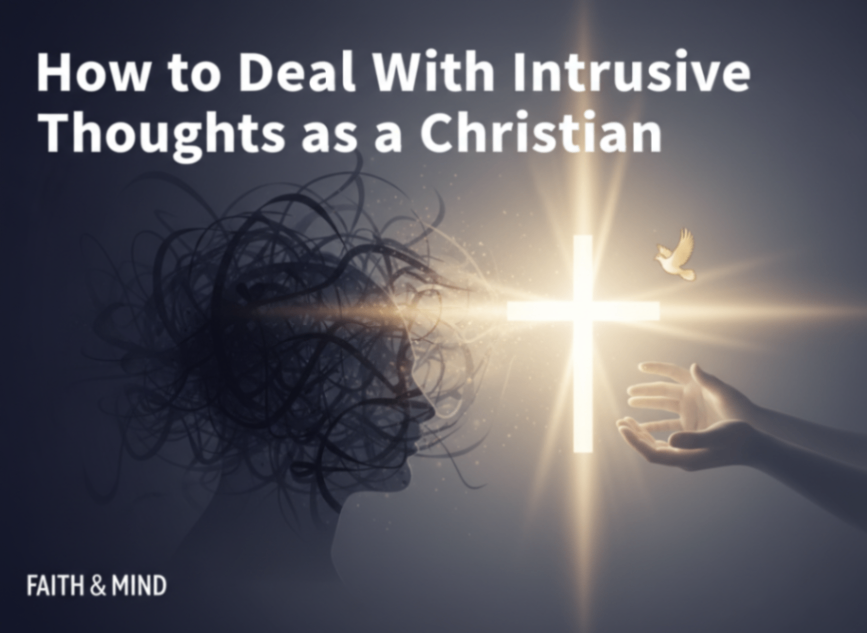
Intrusive thoughts are not a sign of weak faith or spiritual failure — they are a normal part of how the human mind works. The Biblical response is not to panic or suppress them, but to acknowledge them and redirect your mind to truth. 2 Corinthians 10:5 calls Christians to “take every thought captive to obey Christ” — an active, practiced skill, not a one-time victory.
The best morning prayer for anxiety is one that is honest, specific, and Scripture-anchored. Rather than a formal recited prayer, the most effective approach combines naming your actual fears aloud to God, declaring a Biblical truth over them, and surrendering the outcome. Below is a complete morning prayer script and a shorter version for busy mornings.