


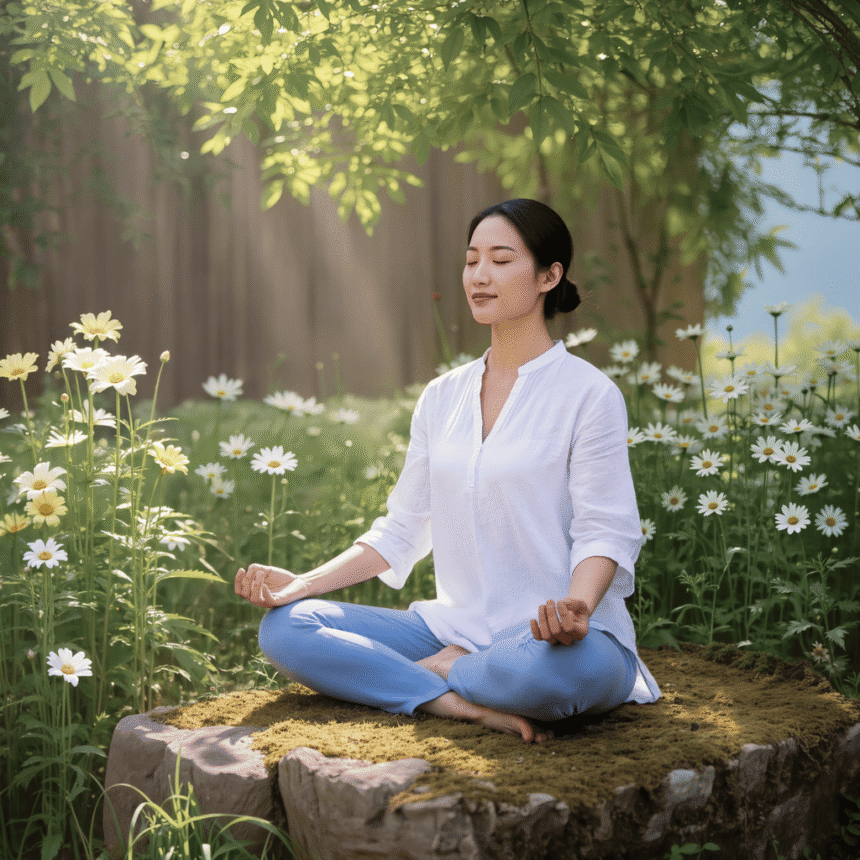
Happiness feels elusive. You catch glimpses of it—a perfect moment with friends, a beautiful sunset, a peaceful morning—but it slips through your fingers when you try to hold onto it.
You’ve been told happiness is a choice, but choosing it feels impossible when you’re stressed, overwhelmed, or stuck in negativity. You’ve tried positive thinking, gratitude journals, and self-care Sundays. They help temporarily, but the happiness doesn’t stick.
Here’s what you might be missing: Mindfulness. Not the trendy, secular version divorced from spiritual roots, but Christian mindfulness—awareness of God’s presence in every moment, attention to His gifts in everyday life, and intentional cultivation of joy through practice.
The mindfulness exercises for happiness in this article aren’t quick fixes or feel-good fluff. They’re proven practices that train your mind and heart to experience the joy God intends for you—not just in peak moments, but in ordinary, everyday life.
At UnusualMonk, we believe that ancient Christian wisdom holds the keys to modern happiness. We’re rediscovering contemplative practices that Christians have used for centuries to cultivate lasting joy, and we’re making them accessible for your busy life.
These ten exercises work. They’re practical, doable, and transformative. Let me show you how.
What Is Christian Mindfulness?
Before we dive into specific exercises, let’s clarify what we mean by Christian mindfulness.
Christian mindfulness is awareness of God’s presence and activity in the present moment.
It’s not emptying your mind or detaching from reality. It’s engaging fully with reality—seeing it as God’s creation, recognizing His hand in it, and experiencing His presence in it.
The Biblical Foundation:
“This is the day the LORD has made; let us rejoice and be glad in it” (Psalm 118:24).
Not yesterday. Not tomorrow. This day. Right now. That’s mindfulness.
Brother Lawrence, a 17th-century monk, called it “practicing the presence of God.” He experienced profound joy while washing dishes in the monastery kitchen because he was aware of God’s presence in that mundane task.
That’s what these exercises teach you: to find God—and therefore joy—in everyday moments.
Why Mindfulness Creates Happiness
Neuroscience confirms what contemplative Christians have known for centuries: Where you place your attention determines your emotional state.
The Problem: Most of us live on autopilot. We’re physically present but mentally elsewhere—ruminating about the past, worrying about the future, or distracted by our phones. We miss the present moment, which is the only moment we can actually experience joy in.
The Solution: Mindfulness training brings you back to now. And research shows this dramatically increases happiness because:
- You notice positive experiences you’d otherwise miss
- You savor good moments instead of rushing past them
- You’re less consumed by regrets and worries
- You experience gratitude for what is, not anxiety about what isn’t
- You become aware of God’s constant presence and provision
The Result: Not momentary pleasure, but deeper, more sustainable happiness—what Scripture calls “joy.”
Exercise 1: The Daily Joy Hunt
Time Required: 5 minutes When to Practice: Throughout your day Difficulty: Beginner
How It Works
This exercise trains you to actively notice and savor positive moments throughout your day.
Your brain has a negativity bias—it’s wired to notice threats and problems more than blessings and beauty. This served our ancestors well (noticing the tiger prevented getting eaten), but it sabotages happiness in modern life.
The Daily Joy Hunt retrains your brain to scan for good things.
Step-by-Step
1. Set three alarms on your phone:
Set them for mid-morning, afternoon, and evening. Label them “Joy Hunt.”
2. When the alarm goes off, pause whatever you’re doing.
Take 60 seconds to look around and identify one source of joy in your immediate environment.
It might be:
- The warmth of sunlight through the window
- The taste of your coffee
- A kind expression on a coworker’s face
- The comfort of your chair
- A bird singing outside
- The fact that your body is healthy enough to be doing what you’re doing
3. Acknowledge it as a gift from God.
Don’t just notice it—receive it as God’s kindness. Whisper or think: “Thank You, God, for this gift.”
4. Savor it for 30 seconds.
Don’t rush to the next thing. Let yourself fully experience the joy. Notice details. Extend the moment.
5. Write it down (optional but powerful).
Keep a “Joy Hunt” list in your phone or notebook. At the end of the week, review it. You’ll be amazed at how much goodness you would have missed.
Why It Works
This exercise creates a positive feedback loop. The more you look for joy, the more you find it. The more you find it, the happier you become. The happier you become, the more naturally you notice joy.
Within weeks, you won’t need the alarms. Joy-noticing becomes automatic.
Exercise 2: The Savoring Practice
Time Required: 2-3 minutes per positive experience When to Practice: During any pleasant moment Difficulty: Beginner
How It Works
Most positive experiences pass in seconds because we don’t pause to savor them. This exercise teaches you to extend and deepen pleasant moments.
Step-by-Step
1. When something good happens—anything at all—pause.
- Your child hugs you
- You eat something delicious
- You hear a song you love
- Someone compliments you
- You complete a task successfully
2. Stop and fully focus on the experience for 30-60 seconds.
Engage all your senses:
- What do you see?
- What do you hear?
- What do you feel physically?
- What emotions are present?
3. Mentally say to yourself: “This is a good moment. I’m experiencing joy right now.”
4. Thank God specifically:
“God, thank You for this specific gift—[name it specifically]. You are kind to give me this. Help me remember this moment.”
5. Try to capture a mental snapshot.
Intentionally create a memory. Imagine you’re taking a mental photograph to look back on later.
Why It Works
Research shows that actively savoring positive experiences increases happiness more than the experiences themselves. It’s not just what happens to you—it’s how you process what happens.
Savoring is like pressing the “record” button on good moments, ensuring they don’t just disappear.
Exercise 3: The Gratitude Walk
Time Required: 10-20 minutes When to Practice: Morning or evening Difficulty: Beginner
How It Works
This exercise combines physical movement, nature observation, and gratitude practice.
Walking naturally calms your nervous system and opens you to awareness. Adding intentional gratitude transforms a simple walk into a mindfulness exercise for happiness.
Step-by-Step
1. Choose a walking route—anywhere works.
Your neighborhood, a park, even around your office building.
2. Before you start, pray:
“God, open my eyes to see Your gifts on this walk. Help me notice what I usually miss. Thank You for this body that can move, this time to walk, and this world You’ve made.”
3. As you walk, actively look for things to be grateful for.
Name them aloud or in your mind:
- “Thank You for this tree providing shade”
- “Thank You for the person who planted these flowers”
- “Thank You for the blue sky”
- “Thank You for my legs that carry me”
- “Thank You for the quiet of this morning”
4. Notice details you normally ignore.
The texture of bark. The sound of leaves. The color variations in grass. The architecture of a building. The expression on someone’s face as they pass.
Each detail is an invitation to gratitude.
5. Conclude with this prayer:
“God, You’ve surrounded me with gifts I take for granted. Forgive my blindness. Thank You for opening my eyes today. Help me carry this awareness with me. Amen.”
Why It Works
This exercise combines three happiness-boosters simultaneously:
- Physical exercise (releases endorphins)
- Nature exposure (reduces stress and increases wellbeing)
- Gratitude practice (shifts mental focus to abundance)
Plus, the movement keeps your mind from overthinking. You’re simply noticing and receiving.
Exercise 4: The Five Senses Reset
Time Required: 3-5 minutes When to Practice: When stressed or overwhelmed Difficulty: Beginner
How It Works
This exercise grounds you in the present moment by engaging all five senses. It’s particularly effective when negative emotions or anxious thoughts are pulling you away from the present.
Step-by-Step
1. Pause wherever you are.
You don’t need to move locations. Just stop what you’re doing.
2. Pray briefly:
“God, You are present in this moment with me. Help me experience this present reality fully.”
3. Identify something for each sense:
See: Name something beautiful, interesting, or pleasant that you can see right now. “I see the green leaves on that plant. God created such variety in greens.”
Hear: Name a sound you can hear. Receive it as part of God’s world. “I hear birds singing. God taught them that song.”
Touch/Feel: Name a physical sensation you’re experiencing. “I feel the chair supporting my weight. I’m being held right now.”
Smell: Name something you can smell, or imagine a smell you love. “I smell coffee. God created plants that produce this gift.”
Taste: Name a taste in your mouth, or remember a taste you enjoyed recently. “I can still taste the sweetness of my breakfast. God made taste buds for enjoyment.”
4. Conclude:
“God, You’ve surrounded me with sensory gifts. This moment is rich with Your presence. Thank You.”
Why It Works
This exercise interrupts negative thought spirals and brings you back to reality—where God is, where life is actually happening.
You can’t be anxious about the future or depressed about the past while you’re fully engaged in the present through your senses.
Exercise 5: The Loving-Kindness Meditation (Christian Version)
Time Required: 5-10 minutes When to Practice: Morning or evening Difficulty: Intermediate
How It Works
This exercise cultivates happiness by extending love and blessing to yourself and others. Research shows that actively wishing well for others increases your own happiness.
We’re adapting the traditional Buddhist loving-kindness meditation with Christian theology and Scripture.
Step-by-Step
1. Sit comfortably. Close your eyes. Take three deep breaths.
2. Begin with yourself:
Place your hand on your heart. Pray:
“God, You love me deeply. Help me receive Your love. I bless myself with Your blessings:
May I be filled with Your peace. May I know I am loved. May I experience Your joy. May I walk in Your light today.”
Sit for a moment, receiving God’s love for yourself.
3. Picture someone you love easily—family member, friend:
“God, I lift [name] to You. I bless them:
May they be filled with Your peace. May they know they are loved. May they experience Your joy. May they walk in Your light today.”
4. Picture someone you feel neutral about—acquaintance, coworker:
“God, I lift [name] to You. You love them as You love me. I bless them:
May they be filled with Your peace…” (repeat the blessing)
5. Picture someone difficult—someone who’s hurt you or you’re in conflict with:
This is hard, but it’s powerful.
“God, I lift [name] to You. You love them. You died for them. Help me see them as You do. I bless them:
May they be filled with Your peace…” (repeat the blessing)
6. Extend it to all people:
“God, I lift all people to You—those I know and those I’ll never meet. I bless them with Your blessings:
May they be filled with Your peace. May they know they are loved. May they experience Your joy. May they walk in Your light today.”
Why It Works
When you wish good for others—especially difficult people—something shifts in your heart. Bitterness loosens. Compassion grows. And neuroscience shows that compassion activates the same brain regions as happiness.
You can’t simultaneously harbor resentment and experience joy. This exercise removes the obstacle.
Exercise 6: The Present-Moment Meal
Time Required: 15-20 minutes When to Practice: One meal per day Difficulty: Intermediate
How It Works
Most of us eat on autopilot—scrolling our phones, watching TV, or rushing to the next thing. We barely taste our food.
This exercise transforms one meal per day into a mindfulness practice that cultivates happiness and gratitude.
Step-by-Step
1. Choose one meal to eat mindfully—breakfast, lunch, or dinner.
2. Eliminate distractions:
Put your phone in another room. Turn off the TV. Sit at a table, not on the couch.
3. Before eating, pray a blessing:
“God, thank You for this food. Thank You for everyone whose labor brought this to my table—farmers, truck drivers, grocery workers. Thank You that I live in abundance. Bless this meal and let it nourish the body You’ve given me. Help me eat with gratitude and awareness. Amen.”
4. Eat slowly. Engage all senses:
Before the first bite:
- Look at your food. Notice colors, shapes, presentation.
- Smell it. Let the aroma register fully.
With each bite:
- Notice the texture on your tongue
- Chew slowly, tasting fully
- Notice how flavors change as you chew
- Swallow intentionally, feeling the food descending
5. Put your fork down between bites.
This forces you to slow down and prevents autopilot eating.
6. Notice when you’re satisfied (not stuffed).
Mindful eating helps you recognize your body’s signals.
7. Conclude with gratitude:
“God, thank You for this gift of nourishment. May this food give me energy to serve You and others. Amen.”
Why It Works
This exercise teaches you that ordinary moments—like eating—can be sources of profound joy when you’re fully present.
You’re also practicing gratitude, engaging your senses, and honoring your body as God’s temple. All of these increase happiness.
Exercise 7: The Breath Prayer for Joy
Time Required: 3-5 minutes When to Practice: Anytime, especially when struggling with negativity Difficulty: Beginner
How It Works
This ancient Christian practice pairs a short prayer with your breathing rhythm, creating a calming, joy-inducing meditation you can do anywhere.
Step-by-Step
1. Find a comfortable position. Close your eyes or soften your gaze.
2. Begin breathing slowly and deeply.
3. Choose a joy-focused breath prayer. Options:
Option 1:
- Inhale: “The joy of the Lord”
- Exhale: “Is my strength” (Nehemiah 8:10)
Option 2:
- Inhale: “This is the day”
- Exhale: “The Lord has made” (Psalm 118:24)
Option 3:
- Inhale: “In Your presence”
- Exhale: “Is fullness of joy” (Psalm 16:11)
Option 4:
- Inhale: “I will rejoice”
- Exhale: “In the Lord” (Philippians 4:4)
4. Repeat for 3-5 minutes (or longer).
Let the rhythm become natural. When your mind wanders, gently return to the prayer.
5. Sit in silence for a moment after finishing.
Notice how you feel. Thank God for His presence.
Why It Works
The combination of controlled breathing (which calms your nervous system) and truth-focused repetition (which renews your mind) creates both physiological and spiritual shifts toward joy.
This is portable peace and happiness you can access anywhere, anytime.
Exercise 8: The Evening Examen for Joy
Time Required: 5-10 minutes When to Practice: Before bed Difficulty: Intermediate
How It Works
The Examen is an ancient Jesuit practice adapted here to focus specifically on recognizing joy. It reviews your day to notice where God was present and where you experienced happiness.
Step-by-Step
1. Get comfortable. Light a candle if that helps create sacred space.
2. Pray:
“God, thank You for this day—the good parts and the hard parts. Help me see where You were present. Help me recognize the joy that was available to me. Amen.”
3. Review your day chronologically, starting from when you woke up.
Move through your day like watching a movie:
- Morning routine
- Commute/start of day
- Morning activities
- Lunch
- Afternoon
- Evening
- Now
4. As you review, ask: “Where did I experience joy today?”
Notice:
- Moments of connection with others
- Experiences of beauty
- Times of laughter or contentment
- Answered prayers
- Small pleasures
- God’s provision
5. For each moment of joy, pause and:
- Thank God for it specifically
- Savor the memory
- Recognize God’s hand in it
6. Also ask: “Where did I miss available joy?”
Were there moments you rushed past? Times you were physically present but mentally elsewhere? Gifts you didn’t notice?
Don’t judge yourself—just notice.
7. Ask: “What brought the most joy today?”
Let one moment stand out. Thank God for it specifically.
8. Close:
“God, thank You for the joy You gave me today—the joy I noticed and the joy I missed. Tomorrow, help me be more aware of Your gifts. Help me live with gratitude and presence. Good night, Father. Amen.”
Why It Works
This practice trains you to recognize joy retrospectively. Over time, you’ll start recognizing it in the moment because you’ve trained your brain to scan for it.
It also ensures you end each day with gratitude rather than worry—which dramatically improves sleep and overall wellbeing.
Exercise 9: The Joy Jar Practice
Time Required: 2 minutes daily When to Practice: End of each day Difficulty: Beginner
How It Works
This is a tangible, visual practice that accumulates evidence of God’s goodness and life’s joys.
What You Need
- A clear jar or container
- Small slips of paper
- A pen
Step-by-Step
1. Place your Joy Jar somewhere visible—on your nightstand, kitchen counter, or desk.
2. Each evening, write one good thing from your day on a slip of paper:
Be specific:
- “Coffee with Sarah—she made me laugh”
- “Finished the project I’ve been working on”
- “Beautiful sunset on my drive home”
- “My daughter’s hug when I got home”
- “God answered my prayer about [specific thing]”
3. Fold the paper and put it in the jar.
4. Watch the jar fill over time.
As it fills, you’re watching visual proof of accumulated blessings.
5. On hard days, read a few slips from the jar.
Remind yourself that even in difficult seasons, there are gifts.
6. At the end of the year, read all the slips.
This is powerful. You’ll have 365 reminders of God’s faithfulness and life’s goodness.
Why It Works
This practice:
- Creates a daily gratitude habit
- Provides visual evidence of blessings
- Becomes a resource during dark times
- Trains you to look for daily joy
Plus, there’s something satisfying about the physical act of adding to the jar. You’re literally accumulating happiness.
Exercise 10: The Single-Tasking Challenge
Time Required: Varies (specific periods throughout your day) When to Practice: During routine activities Difficulty: Intermediate
How It Works
We’ve become addicted to multitasking, which fragments our attention and prevents us from fully experiencing any single thing. This exercise reclaims presence and joy through single-tasking.
Step-by-Step
1. Choose three activities you’ll single-task today:
Examples:
- Drinking your morning coffee
- Driving to work
- Washing dishes
- Talking with your spouse/child
- Eating lunch
- Taking a shower
2. When you do each activity, do ONLY that activity:
No:
- Phone scrolling while drinking coffee
- Podcast while driving
- Planning tomorrow while washing dishes
- TV on during dinner
- Mental to-do lists during conversation
Yes:
- Full sensory engagement
- Present-moment awareness
- Gratitude for the experience
- Recognition of God’s presence
3. For each single-tasking session:
Begin with a micro-prayer: “God, I do this simple task in Your presence. Help me be fully here.”
Engage fully: Notice sensations, thoughts, feelings. Be completely present.
End with gratitude: “Thank You, God, for this moment.”
Why It Works
Multitasking is actually “task-switching,” and it’s cognitively exhausting. It also prevents you from fully experiencing anything, which kills joy.
Single-tasking allows you to experience life fully. And research shows that people who single-task report higher happiness than multitaskers, even though they objectively accomplish similar amounts.
Presence creates joy. Fragmentation kills it.
Bringing It All Together: Your Happiness Practice Plan
You now have ten powerful mindfulness exercises for happiness. But ten practices can feel overwhelming. Here’s how to actually implement them:
Week 1: Start with Three
Choose three exercises that resonate most. Practice them daily:
- Morning: Gratitude Walk or Breath Prayer for Joy
- Throughout the day: Daily Joy Hunt
- Evening: Evening Examen or Joy Jar
Week 2: Add Two More
Once the first three feel natural, add:
- One meal: Present-Moment Meal
- When stressed: Five Senses Reset
Week 3-4: Experiment with All Ten
Try each exercise at least twice. Notice which ones produce the most joy and peace for you.
Ongoing: Customize Your Practice
Build your own routine using the exercises that work best for you. There’s no “right” combination—just what serves you well.
The Transformation You Can Expect
If you practice these mindfulness exercises consistently, here’s what typically happens:
Week 1: You notice moments of joy you previously missed. Small delights become more vivid.
Week 2-3: Your baseline mood improves. You’re less reactive to stressors. Anxiety decreases.
Month 2: People around you notice you seem different—more peaceful, more present, more joyful.
Month 3: Happiness becomes less dependent on circumstances. You’ve cultivated an internal source of joy rooted in God’s presence.
6 Months+: These practices become second nature. Mindfulness is no longer something you do—it’s how you live.
This isn’t quick-fix happiness. It’s transformation.
Final Encouragement
At UnusualMonk, we’re passionate about helping people experience the joy God intends for them. Not fleeting happiness dependent on circumstances, but deep, sustainable joy rooted in His presence.
These ten mindfulness exercises aren’t trendy self-help. They’re time-tested practices, many rooted in centuries of Christian contemplative tradition, validated by modern science, and available to you right now.
You don’t need to wait until life is perfect to be happy. You can cultivate joy in the life you have today by changing how you attend to it.
Start with one exercise tomorrow. Just one. Then another the next day. Build slowly. Be patient with yourself.
Happiness isn’t something you chase. It’s something you cultivate through practice and presence.
Want more support on this journey? Subscribe to the UnusualMonk newsletter for guided practices, encouragement, and community. Check out our related content on Christian meditation, daily joy practices, and mindful living.
Which exercise will you try first? Leave a comment or share this article with someone who needs more joy in their life.
The unusual path—the path of mindfulness and presence—leads to happiness that actually lasts.
Peace and joy be with you.
This article is just the beginning. The real transformation happens when you move from knowing about meditation to practicing it. That’s why we’ve created three resources to support you:
Start with our 7-Day Biblical Peace Challenge—a free email course that makes meditation accessible and biblical. Then subscribe to our YouTube channel for ongoing guided practices. Finally, join our weekly newsletter to stay encouraged and inspired on your journey.
Thousands of Christians are already experiencing the peace that passes understanding. Will you be next?